





Season 1-2 English HD


Box No. 76706, Dubai, UAE
Email: support@moviefrost.com

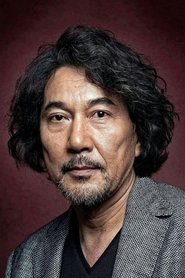
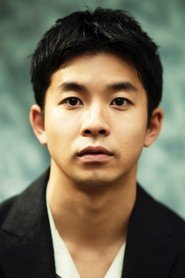
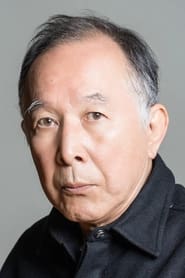
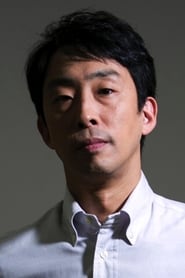
<h3>1. Introduction / About the Movie</h3><p>Under the Open Sky (2020), masterfully directed by Miwa Nishikawa, is a deeply humanist, emotionally shattering drama that shines a harsh light on the unforgiving nature of modern society. Adapted from Ryuzo Saki's novel Mibuncho, this critically acclaimed film premiered at the Toronto International Film Festival, instantly drawing praise for its profound empathy and devastating realism. It tells the quiet, agonizing story of a reformed criminal attempting to navigate a world that seemingly has no place for him, standing as one of the most powerful cinematic examinations of redemption and social prejudice in recent Japanese cinema.</p><h3>2. Movie Storyline (Plot Summary)</h3><p>The narrative follows Masao Mikami, a middle-aged former yakuza enforcer who is released into the freezing snow of Hokkaido after serving a grueling 13-year prison sentence for murder. Determined to leave his violent, blood-soaked past behind, Mikami relocates to Tokyo with a sincere desire to live a normal, honest life and hopefully find the mother who abandoned him in an orphanage as a child. However, reintegrating into society proves to be a monumental, soul-crushing task. Mikami is hampered by poor health, a lack of modern job skills, and a fiery, ingrained temper that flares up in the face of injustice. He struggles to navigate a cold, bureaucratic welfare system that treats him with extreme suspicion, and a society that actively discriminates against ex-convicts. A young television director approaches him to make a documentary about his rehabilitation, blurring the lines between exploitation and genuine friendship. As Mikami repeatedly fails to fit into the rigid, unspoken rules of regular society, he is faced with a terrifying choice: conform to a system that strips away his dignity, or return to the welcoming but deadly arms of the yakuza underworld.</p><h3>3. Cast and Characters</h3><p>The legendary Koji Yakusho delivers what is arguably the greatest performance of his storied career as Masao Mikami. He captures a breathtaking balance of terrifying, explosive rage and heartbreaking, childlike vulnerability, making Mikami deeply sympathetic despite his violent past. Taiga Nakano provides excellent support as Tsunoda, the conflicted TV director who begins as an exploitative observer but gradually becomes Mikami's closest ally. Masami Nagasawa also shines as a cynical television producer demanding sensationalized drama.</p><h3>4. Movie Highlights</h3><p>The film's most striking highlight is its fierce, unromanticized critique of Japanese societal conformity. It asks a painful question: Is it better to be a polite coward in normal society, or an honorable monster in the underworld? Miwa Nishikawa's direction is compassionate and observant, avoiding Hollywood clichés of crime and punishment. The cinematography beautifully contrasts the vast, liberating openness of the sky with the cramped, restrictive realities of Mikami's tiny apartment and social standing. Yakusho's ability to convey a lifetime of regret with just a shift in his eyes is a cinematic triumph.</p><h3>5. Why You Should Watch This Movie</h3><p>You should watch Under the Open Sky if you value profound character studies that challenge your moral compass. It is a slow, deeply moving, and sometimes surprisingly funny film that will make you question the true meaning of justice, rehabilitation, and kindness. It is an absolute masterpiece of acting and storytelling that resonates far beyond the screen.</p>

<h3>1. Introduction / About the Movie</h3><p>Under the Open Sky (2020), masterfully directed by Miwa Nishikawa, is a deeply humanist, emotionally shattering drama that shines a harsh light on the unforgiving nature of modern society. Adapted from Ryuzo Saki's novel Mibuncho, this critically acclaimed film premiered at the Toronto International Film Festival, instantly drawing praise for its profound empathy and devastating realism. It tells the quiet, agonizing story of a reformed criminal attempting to navigate a world that seemingly has no place for him, standing as one of the most powerful cinematic examinations of redemption and social prejudice in recent Japanese cinema.</p><h3>2. Movie Storyline (Plot Summary)</h3><p>The narrative follows Masao Mikami, a middle-aged former yakuza enforcer who is released into the freezing snow of Hokkaido after serving a grueling 13-year prison sentence for murder. Determined to leave his violent, blood-soaked past behind, Mikami relocates to Tokyo with a sincere desire to live a normal, honest life and hopefully find the mother who abandoned him in an orphanage as a child. However, reintegrating into society proves to be a monumental, soul-crushing task. Mikami is hampered by poor health, a lack of modern job skills, and a fiery, ingrained temper that flares up in the face of injustice. He struggles to navigate a cold, bureaucratic welfare system that treats him with extreme suspicion, and a society that actively discriminates against ex-convicts. A young television director approaches him to make a documentary about his rehabilitation, blurring the lines between exploitation and genuine friendship. As Mikami repeatedly fails to fit into the rigid, unspoken rules of regular society, he is faced with a terrifying choice: conform to a system that strips away his dignity, or return to the welcoming but deadly arms of the yakuza underworld.</p><h3>3. Cast and Characters</h3><p>The legendary Koji Yakusho delivers what is arguably the greatest performance of his storied career as Masao Mikami. He captures a breathtaking balance of terrifying, explosive rage and heartbreaking, childlike vulnerability, making Mikami deeply sympathetic despite his violent past. Taiga Nakano provides excellent support as Tsunoda, the conflicted TV director who begins as an exploitative observer but gradually becomes Mikami's closest ally. Masami Nagasawa also shines as a cynical television producer demanding sensationalized drama.</p><h3>4. Movie Highlights</h3><p>The film's most striking highlight is its fierce, unromanticized critique of Japanese societal conformity. It asks a painful question: Is it better to be a polite coward in normal society, or an honorable monster in the underworld? Miwa Nishikawa's direction is compassionate and observant, avoiding Hollywood clichés of crime and punishment. The cinematography beautifully contrasts the vast, liberating openness of the sky with the cramped, restrictive realities of Mikami's tiny apartment and social standing. Yakusho's ability to convey a lifetime of regret with just a shift in his eyes is a cinematic triumph.</p><h3>5. Why You Should Watch This Movie</h3><p>You should watch Under the Open Sky if you value profound character studies that challenge your moral compass. It is a slow, deeply moving, and sometimes surprisingly funny film that will make you question the true meaning of justice, rehabilitation, and kindness. It is an absolute masterpiece of acting and storytelling that resonates far beyond the screen.</p>


