English HD


Box No. 76706, Dubai, UAE
Email: support@moviefrost.com

<h3>1. Introduction / About the Movie</h3><p>True Mothers (2020), delicately directed by Japan's acclaimed filmmaker Naomi Kawase, is a profoundly moving, poetic exploration of what it truly means to be a family. Officially selected for the 2020 Cannes Film Festival and chosen as Japan's entry for the Academy Awards, this emotionally shattering drama is adapted from Mizuki Tsujimura's bestselling novel. With a gentle yet unflinching lens, the film weaves a complex tapestry of maternal love, societal judgment, and the painful sacrifices made in the name of giving a child a better life.</p><h3>2. Movie Storyline (Plot Summary)</h3><p>The film navigates two beautifully interwoven timelines. In the present, Satoko and Kiyokazu Kurihara are a loving, affluent middle-class couple living in Tokyo. After enduring years of painful, unsuccessful fertility treatments, they find happiness by adopting a baby boy named Asato through a specialized agency. Six years later, their peaceful, idyllic family life is suddenly threatened when they receive a disturbing phone call from a young woman demanding her child back or a payout. The narrative then shifts to the heartbreaking past of this young woman, Hikari Katakura. As a naive 14-year-old middle schooler, Hikari experiences first love, resulting in an unplanned pregnancy. Crushed by her family's shame and rigid societal expectations, she is sent to a remote, secretive maternity home where she is forced to give up her baby for adoption. As the two timelines violently crash into one another, the film forces the adoptive mother and the biological mother to confront their shared pain, leading to a climax of devastating emotional resonance.</p><h3>3. Cast and Characters</h3><p>The performances in True Mothers are extraordinarily raw and empathetic. Hiromi Nagasaku provides a warm, fiercely protective portrayal of the adoptive mother, Satoko, capturing the silent anxieties of adoption. Arata Iura is deeply affecting as the supportive husband, Kiyokazu. However, the soul of the film belongs to young Aju Makita, who plays the birth mother, Hikari. Makita delivers a gut-wrenching, remarkably mature performance, portraying the total devastation of a teenager stripped of her innocence and her child.</p><h3>4. Movie Highlights</h3><p>Director Naomi Kawase employs her signature documentary-style realism, creating an atmosphere that feels incredibly intimate and lifelike. The lush, sun-drenched cinematography, focusing on the beauty of nature—wind, trees, and sea—serves as a poetic contrast to the harsh human struggles on screen. The film's greatest highlight is its immense compassion; it absolutely refuses to villainize either mother, painting a deeply nuanced picture of the flawed adoption system and the agonizing pressures placed on women in modern Japanese society.</p><h3>5. Why You Should Watch This Movie</h3><p>You should watch True Mothers if you appreciate emotionally rich, tear-jerking dramas that explore complex human conditions without resorting to cheap melodrama. It is a haunting, beautiful ode to motherhood in all its forms, challenging viewers to redefine the traditional boundaries of family. Keep a box of tissues close by; this film will undoubtedly break your heart and mend it again.</p>


Hiromi Nagasaku
View profile

Arata Iura
View profile

Aju Makita
View profile
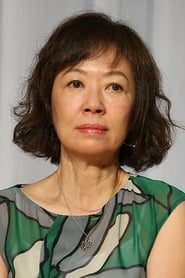
Miyoko Asada
View profile

Hiroko Nakajima
View profile

Tetsu Hirahara
View profile

Ren Komai
View profile

Reo Satou
View profile

Go Riju
View profile

Taketo Tanaka
View profile
Hitomi Hazuki
View profile

Rio Yamashita
View profile

Kokoro Morita
View profile

Masami Horiuchi
View profile

Hiroshi Yamamoto
View profile

Masaki Miura
View profile

Shoko Ikezu
View profile

Ryuya Wakaba
View profile

Munetaka Aoki
View profile

Natsumi Ishibashi
View profile
<h3>1. Introduction / About the Movie</h3><p>True Mothers (2020), delicately directed by Japan's acclaimed filmmaker Naomi Kawase, is a profoundly moving, poetic exploration of what it truly means to be a family. Officially selected for the 2020 Cannes Film Festival and chosen as Japan's entry for the Academy Awards, this emotionally shattering drama is adapted from Mizuki Tsujimura's bestselling novel. With a gentle yet unflinching lens, the film weaves a complex tapestry of maternal love, societal judgment, and the painful sacrifices made in the name of giving a child a better life.</p><h3>2. Movie Storyline (Plot Summary)</h3><p>The film navigates two beautifully interwoven timelines. In the present, Satoko and Kiyokazu Kurihara are a loving, affluent middle-class couple living in Tokyo. After enduring years of painful, unsuccessful fertility treatments, they find happiness by adopting a baby boy named Asato through a specialized agency. Six years later, their peaceful, idyllic family life is suddenly threatened when they receive a disturbing phone call from a young woman demanding her child back or a payout. The narrative then shifts to the heartbreaking past of this young woman, Hikari Katakura. As a naive 14-year-old middle schooler, Hikari experiences first love, resulting in an unplanned pregnancy. Crushed by her family's shame and rigid societal expectations, she is sent to a remote, secretive maternity home where she is forced to give up her baby for adoption. As the two timelines violently crash into one another, the film forces the adoptive mother and the biological mother to confront their shared pain, leading to a climax of devastating emotional resonance.</p><h3>3. Cast and Characters</h3><p>The performances in True Mothers are extraordinarily raw and empathetic. Hiromi Nagasaku provides a warm, fiercely protective portrayal of the adoptive mother, Satoko, capturing the silent anxieties of adoption. Arata Iura is deeply affecting as the supportive husband, Kiyokazu. However, the soul of the film belongs to young Aju Makita, who plays the birth mother, Hikari. Makita delivers a gut-wrenching, remarkably mature performance, portraying the total devastation of a teenager stripped of her innocence and her child.</p><h3>4. Movie Highlights</h3><p>Director Naomi Kawase employs her signature documentary-style realism, creating an atmosphere that feels incredibly intimate and lifelike. The lush, sun-drenched cinematography, focusing on the beauty of nature—wind, trees, and sea—serves as a poetic contrast to the harsh human struggles on screen. The film's greatest highlight is its immense compassion; it absolutely refuses to villainize either mother, painting a deeply nuanced picture of the flawed adoption system and the agonizing pressures placed on women in modern Japanese society.</p><h3>5. Why You Should Watch This Movie</h3><p>You should watch True Mothers if you appreciate emotionally rich, tear-jerking dramas that explore complex human conditions without resorting to cheap melodrama. It is a haunting, beautiful ode to motherhood in all its forms, challenging viewers to redefine the traditional boundaries of family. Keep a box of tissues close by; this film will undoubtedly break your heart and mend it again.</p>
Hiromi Nagasaku
View profile
Arata Iura
View profile
Aju Makita
View profile
Miyoko Asada
View profile
Hiroko Nakajima
View profile
Tetsu Hirahara
View profile
Ren Komai
View profile
Reo Satou
View profile
Go Riju
View profile
Taketo Tanaka
View profile
Hitomi Hazuki
View profile
Rio Yamashita
View profile
Kokoro Morita
View profile
Masami Horiuchi
View profile
Hiroshi Yamamoto
View profile
Masaki Miura
View profile
Shoko Ikezu
View profile
Ryuya Wakaba
View profile
Munetaka Aoki
View profile
Natsumi Ishibashi
View profile


