Season 1-2 English HD


Box No. 76706, Dubai, UAE
Email: support@moviefrost.com

<h3>1. Introduction / About the Movie</h3><p>Step into a gripping, morally complex labyrinth with The Third Murder (2017), an intricate legal thriller directed by the masterful Hirokazu Kore-eda. Known primarily for his gentle family dramas, Kore-eda takes a dark, sharp turn here, delivering a tense courtroom mystery that heavily questions the nature of justice and the elusive concept of truth. It is a slow-burn, highly intellectual cinematic puzzle that refuses to offer easy answers, challenging the audience to act as the jury in a deeply flawed legal system.</p><h3>2. Movie Storyline (Plot Summary)</h3><p>The narrative revolves around Shigemori, an elite, highly pragmatic defense attorney who is assigned to represent Misumi, a man accused of brutally murdering his former boss and stealing his wallet. Because Misumi has a prior murder conviction from 30 years ago, a guilty verdict guarantees the death penalty. Initially, it seems like an open-and-shut case, as Misumi has already fully confessed. However, as Shigemori digs deeper into the investigation, Misumi's testimony constantly changes. He alters his motives, his methods, and eventually denies committing the murder altogether. Shigemori’s cold pragmatism begins to crack as he discovers mysterious connections between the victim's traumatized daughter and the accused. The attorney becomes obsessed with uncovering the actual truth, only to realize that the rigid legal system cares solely about winning the case, not about finding out what truly happened.</p><h3>3. Cast and Characters</h3><p>The film is anchored by a colossal acting duel between two titans of Japanese cinema. Masaharu Fukuyama is phenomenal as the cold, calculating attorney whose moral foundation slowly crumbles. Koji Yakusho is absolutely chilling and mesmerizing as the accused Misumi, playing him with a terrifyingly serene ambiguity that leaves you constantly guessing his true nature. Suzu Hirose adds deep emotional weight as the victim's secretive, grieving daughter.</p><h3>4. Movie Highlights</h3><p>Visually, the film is stunning, particularly the intense prison interview scenes. Kore-eda brilliantly uses the thick glass separating the lawyer and the accused to reflect and merge their faces, symbolizing their blurring moral boundaries. The film's dialogue is razor-sharp, acting as an intense psychological chess match. The highlight is the film's profound critique of the justice system, exposing how legal truth is often entirely detached from actual reality.</p><h3>5. Why You Should Watch This Movie</h3><p>If you love intelligent, sophisticated psychological thrillers and complex courtroom dramas, The Third Murder is utterly indispensable. It is a masterclass in tension, supported by career-defining performances. Watch it for a deep, philosophical mystery that will leave you questioning everything long after the final verdict is delivered.</p>

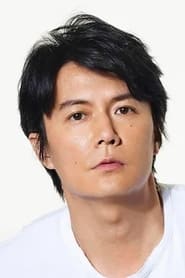
Masaharu Fukuyama
View profile
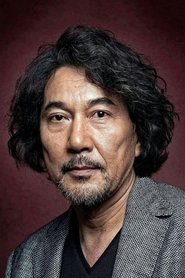
Koji Yakusho
View profile

Suzu Hirose
View profile
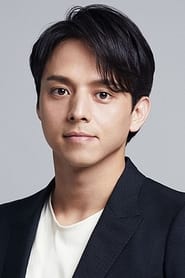
Shinnosuke Mitsushima
View profile

Mikako Ichikawa
View profile

Izumi Matsuoka
View profile

Aju Makita
View profile
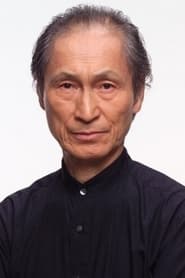
Tōru Shinagawa
View profile

Toshie Negishi
View profile
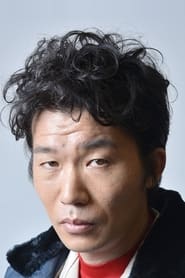
Tsutomu Takahashi
View profile

Ichirō Ogura
View profile
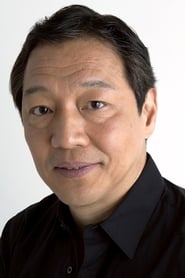
Hajime Inoue
View profile
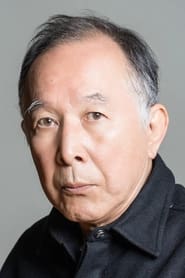
Isao Hashizume
View profile

Yuki Saito
View profile
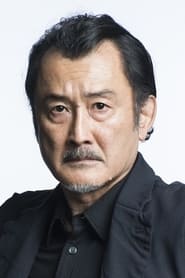
Kotaro Yoshida
View profile
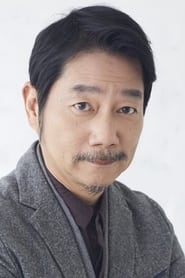
Makoto Nakamura
View profile
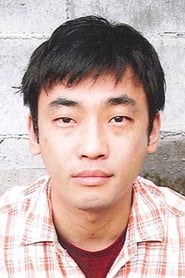
Hiroshi Yamamoto
View profile
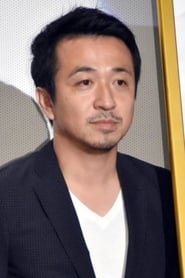
Hikohiko Sugiyama
View profile
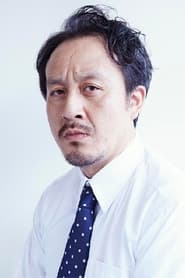
Kenji Iwaya
View profile
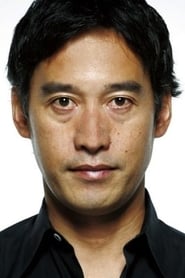
Takahiro Ono
View profile
<h3>1. Introduction / About the Movie</h3><p>Step into a gripping, morally complex labyrinth with The Third Murder (2017), an intricate legal thriller directed by the masterful Hirokazu Kore-eda. Known primarily for his gentle family dramas, Kore-eda takes a dark, sharp turn here, delivering a tense courtroom mystery that heavily questions the nature of justice and the elusive concept of truth. It is a slow-burn, highly intellectual cinematic puzzle that refuses to offer easy answers, challenging the audience to act as the jury in a deeply flawed legal system.</p><h3>2. Movie Storyline (Plot Summary)</h3><p>The narrative revolves around Shigemori, an elite, highly pragmatic defense attorney who is assigned to represent Misumi, a man accused of brutally murdering his former boss and stealing his wallet. Because Misumi has a prior murder conviction from 30 years ago, a guilty verdict guarantees the death penalty. Initially, it seems like an open-and-shut case, as Misumi has already fully confessed. However, as Shigemori digs deeper into the investigation, Misumi's testimony constantly changes. He alters his motives, his methods, and eventually denies committing the murder altogether. Shigemori’s cold pragmatism begins to crack as he discovers mysterious connections between the victim's traumatized daughter and the accused. The attorney becomes obsessed with uncovering the actual truth, only to realize that the rigid legal system cares solely about winning the case, not about finding out what truly happened.</p><h3>3. Cast and Characters</h3><p>The film is anchored by a colossal acting duel between two titans of Japanese cinema. Masaharu Fukuyama is phenomenal as the cold, calculating attorney whose moral foundation slowly crumbles. Koji Yakusho is absolutely chilling and mesmerizing as the accused Misumi, playing him with a terrifyingly serene ambiguity that leaves you constantly guessing his true nature. Suzu Hirose adds deep emotional weight as the victim's secretive, grieving daughter.</p><h3>4. Movie Highlights</h3><p>Visually, the film is stunning, particularly the intense prison interview scenes. Kore-eda brilliantly uses the thick glass separating the lawyer and the accused to reflect and merge their faces, symbolizing their blurring moral boundaries. The film's dialogue is razor-sharp, acting as an intense psychological chess match. The highlight is the film's profound critique of the justice system, exposing how legal truth is often entirely detached from actual reality.</p><h3>5. Why You Should Watch This Movie</h3><p>If you love intelligent, sophisticated psychological thrillers and complex courtroom dramas, The Third Murder is utterly indispensable. It is a masterclass in tension, supported by career-defining performances. Watch it for a deep, philosophical mystery that will leave you questioning everything long after the final verdict is delivered.</p>
Masaharu Fukuyama
View profile
Koji Yakusho
View profile
Suzu Hirose
View profile
Shinnosuke Mitsushima
View profile
Mikako Ichikawa
View profile
Izumi Matsuoka
View profile
Aju Makita
View profile
Tōru Shinagawa
View profile
Toshie Negishi
View profile
Tsutomu Takahashi
View profile
Ichirō Ogura
View profile
Hajime Inoue
View profile
Isao Hashizume
View profile
Yuki Saito
View profile
Kotaro Yoshida
View profile
Makoto Nakamura
View profile
Hiroshi Yamamoto
View profile
Hikohiko Sugiyama
View profile
Kenji Iwaya
View profile
Takahiro Ono
View profile


