Season 1-2 English HD


Box No. 76706, Dubai, UAE
Email: support@moviefrost.com

1. Introduction / About the Movie Directed by Yoshihiro Nakamura, The Inerasable (2015) is a brilliant return to the classic, slow-burn terror of traditional J-horror. Instead of relying on cheap jump scares or flashy CGI, this film builds its terror through a meticulously researched, journalistic approach to the supernatural. If you are a fan of terrifying urban legends, cursed locations, and mysteries that span generations, this spine-chilling investigative horror will undoubtedly keep you looking over your shoulder long after the credits roll. 2. Movie Storyline (Plot Summary) The story centers around 'I', a mystery novelist who receives a deeply disturbing letter from Kubo, a university student and reader of her work. Kubo claims that her newly rented apartment is plagued by bizarre, inexplicable sounds, such as the swishing of a kimono sweeping across the tatami floor. Intrigued by the mundane yet creepy nature of the haunting, the novelist teams up with Kubo to investigate. However, what starts as a simple ghost story quickly unravels into a terrifying historical puzzle. Their investigation reveals that the haunting is not limited to Kubo’s room; previous tenants across the building have suffered mysterious deaths, disappearances, and madness. As they dig deeper into the land's history, spanning back through decades of suicides, murders, and ancient curses, they discover a terrifying truth: the curse is 'inerasable,' attached to the very soil, and it infects anyone who simply hears its story. 3. Cast and Characters Yuko Takeuchi delivers a grounded, highly intelligent performance as 'I', the skeptical but curious novelist who serves as the audience's anchor. Ai Hashimoto plays the frightened yet determined student Kubo with perfect vulnerability. Supporting performances from Kuranosuke Sasaki and Kentaro Sakaguchi add rich layers to the expanding web of investigators drawn into the terrifying curse. 4. Movie Highlights The brilliance of The Inerasable is its documentary-style execution. The film operates almost like a true-crime procedural, piecing together property records, old newspaper clippings, and interviews. This grounded approach makes the supernatural elements feel horribly plausible. The horror is largely auditory and atmospheric; a shadow in the background, a strange noise, or an unsettling photograph. The expanding scope of the curse—tracing back from modern Tokyo to the Meiji era—is a masterstroke of storytelling that elevates the film above standard haunted house tropes. 5. Why You Should Watch This Movie If you love mysteries that double as ghost stories, this film is essential viewing. It perfectly captures the creeping dread that defines the best of Japanese horror. It proves that a well-told story of a cursed history is far more terrifying than any monster jumping out of a closet.


Yuko Takeuchi
View profile

Ai Hashimoto
View profile

Kuranosuke Sasaki
View profile

Kentaro Sakaguchi
View profile

Kenichi Takitoh
View profile

Yorie Yamashita
View profile

Ryo Narita
View profile
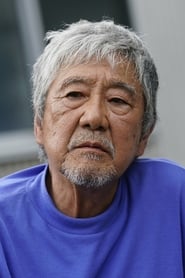
Ken Yoshizawa
View profile

Mansaku Fuwa
View profile

Koichi Ueda
View profile

Shinji Matsubayashi
View profile
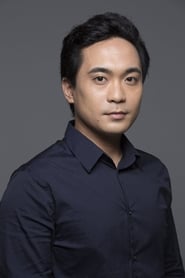
Ichiro Hashimoto
View profile

Yukiko Shinohara
View profile

Izumi Matsuoka
View profile

Kunihiro Suda
View profile

Miyoko Inagawa
View profile
Yonetsugu Moriyama
View profile

Kento Shibuya
View profile

Chiaki Kawamo
View profile

Makoto Ashikawa
View profile
1. Introduction / About the Movie Directed by Yoshihiro Nakamura, The Inerasable (2015) is a brilliant return to the classic, slow-burn terror of traditional J-horror. Instead of relying on cheap jump scares or flashy CGI, this film builds its terror through a meticulously researched, journalistic approach to the supernatural. If you are a fan of terrifying urban legends, cursed locations, and mysteries that span generations, this spine-chilling investigative horror will undoubtedly keep you looking over your shoulder long after the credits roll. 2. Movie Storyline (Plot Summary) The story centers around 'I', a mystery novelist who receives a deeply disturbing letter from Kubo, a university student and reader of her work. Kubo claims that her newly rented apartment is plagued by bizarre, inexplicable sounds, such as the swishing of a kimono sweeping across the tatami floor. Intrigued by the mundane yet creepy nature of the haunting, the novelist teams up with Kubo to investigate. However, what starts as a simple ghost story quickly unravels into a terrifying historical puzzle. Their investigation reveals that the haunting is not limited to Kubo’s room; previous tenants across the building have suffered mysterious deaths, disappearances, and madness. As they dig deeper into the land's history, spanning back through decades of suicides, murders, and ancient curses, they discover a terrifying truth: the curse is 'inerasable,' attached to the very soil, and it infects anyone who simply hears its story. 3. Cast and Characters Yuko Takeuchi delivers a grounded, highly intelligent performance as 'I', the skeptical but curious novelist who serves as the audience's anchor. Ai Hashimoto plays the frightened yet determined student Kubo with perfect vulnerability. Supporting performances from Kuranosuke Sasaki and Kentaro Sakaguchi add rich layers to the expanding web of investigators drawn into the terrifying curse. 4. Movie Highlights The brilliance of The Inerasable is its documentary-style execution. The film operates almost like a true-crime procedural, piecing together property records, old newspaper clippings, and interviews. This grounded approach makes the supernatural elements feel horribly plausible. The horror is largely auditory and atmospheric; a shadow in the background, a strange noise, or an unsettling photograph. The expanding scope of the curse—tracing back from modern Tokyo to the Meiji era—is a masterstroke of storytelling that elevates the film above standard haunted house tropes. 5. Why You Should Watch This Movie If you love mysteries that double as ghost stories, this film is essential viewing. It perfectly captures the creeping dread that defines the best of Japanese horror. It proves that a well-told story of a cursed history is far more terrifying than any monster jumping out of a closet.
Yuko Takeuchi
View profile
Ai Hashimoto
View profile
Kuranosuke Sasaki
View profile
Kentaro Sakaguchi
View profile
Kenichi Takitoh
View profile
Yorie Yamashita
View profile
Ryo Narita
View profile
Ken Yoshizawa
View profile
Mansaku Fuwa
View profile
Koichi Ueda
View profile
Shinji Matsubayashi
View profile
Ichiro Hashimoto
View profile
Yukiko Shinohara
View profile
Izumi Matsuoka
View profile
Kunihiro Suda
View profile
Miyoko Inagawa
View profile
Yonetsugu Moriyama
View profile
Kento Shibuya
View profile
Chiaki Kawamo
View profile
Makoto Ashikawa
View profile


