English HD


Box No. 76706, Dubai, UAE
Email: support@moviefrost.com

<h3>1. Introduction / About the Movie</h3><p>Francis Ford Coppola’s The Godfather: Part II (1974) is widely celebrated as the rare sequel that equals, and arguably surpasses, its legendary predecessor. Serving as both a prequel and a sequel, the film constructs a masterful, sprawling narrative of the American mafia. It was the first sequel in history to win the Academy Award for Best Picture. Expanding upon the Corleone family saga, the film explores the corrupting nature of absolute power, the heavy burden of legacy, and the tragic destruction of the American family unit, making it an undisputed monumental achievement in global cinema.</p><h3>2. Movie Storyline (Plot Summary)</h3><p>The film brilliantly interweaves two parallel storylines. The prequel narrative transports viewers back to the early 1900s, tracking the arduous journey of young Vito Andolini. Fleeing the Sicilian mafia who murdered his family, Vito arrives in America, settles in New York's Little Italy, and slowly builds his own criminal empire through shrewdness and ruthless calculation, eventually becoming the respected Don Corleone. The sequel narrative flashes forward to the late 1950s, following Michael Corleone as he brutally consolidates power as the new Don. Michael attempts to expand the family's legitimate operations into Las Vegas and pre-revolution Cuba while ruthlessly dealing with traitors, including those within his own bloodline. However, his unyielding, cold-blooded grip on power slowly alienates him from everyone he loves. The brilliant juxtaposition shows Vito building a family out of nothing to protect them, while Michael systematically destroys his family in his obsessive quest to maintain control and dominance.</p><h3>3. Cast and Characters</h3><p>Al Pacino gives arguably the greatest performance of his career as Michael Corleone, his eyes projecting a terrifying, hollow darkness as his soul rots. Robert De Niro flawlessly steps into the shoes of Marlon Brando, playing the young Vito Corleone with quiet, lethal grace—a role that earned him an Oscar. John Cazale is heartbreakingly tragic as the weak and overlooked older brother, Fredo Corleone. Diane Keaton brings profound anguish to the role of Kay, while Robert Duvall returns with brilliant subtlety as Tom Hagen.</p><h3>4. Movie Highlights</h3><p>The structural brilliance of contrasting Vito’s rise with Michael’s moral fall is the film’s greatest triumph. Gordon Willis’s cinematography remains extraordinary, utilizing deep, brooding shadows to reflect the darkening of Michael’s soul. The scenes set in pre-revolution Havana, Cuba, are sprawling and historically resonant, culminating in a breathless sequence during the New Year's Eve revolution. The film’s emotional climax—the ultimate fate of Fredo Corleone on the waters of Lake Tahoe—is one of the most devastating and perfectly executed scenes in motion picture history.</p><h3>5. Why You Should Watch This Movie</h3><p>The Godfather: Part II is essential viewing for anyone who appreciates brilliant storytelling, masterful pacing, and phenomenal acting. It elevates the gangster genre to the level of high art, offering a profound psychological character study of a man consumed by power. It is a stunning visual and narrative feast that perfectly completes the tragic arc introduced in the original masterpiece.</p>

Al Pacino
View profile
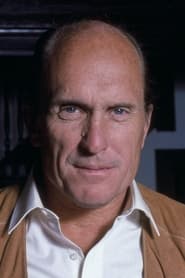
Robert Duvall
View profile

Diane Keaton
View profile
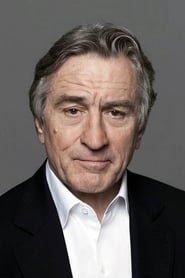
Robert De Niro
View profile
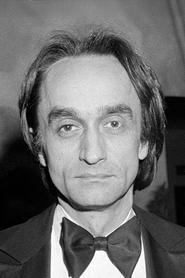
John Cazale
View profile
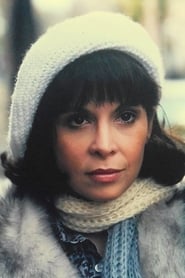
Talia Shire
View profile
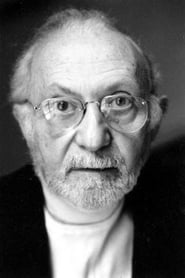
Lee Strasberg
View profile
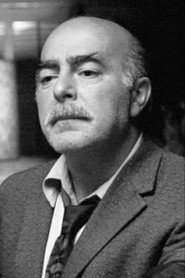
Michael V. Gazzo
View profile
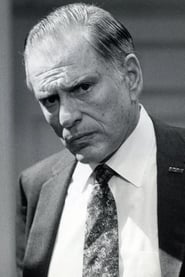
G.D. Spradlin
View profile
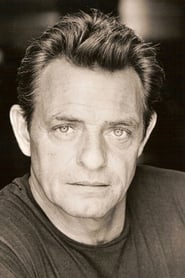
Richard Bright
View profile
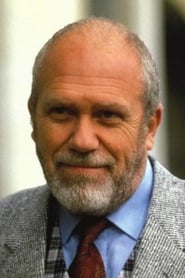
Gastone Moschin
View profile

Tom Rosqui
View profile
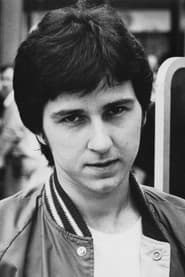
Bruno Kirby
View profile
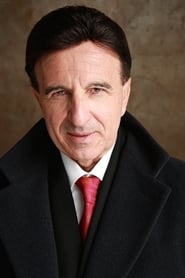
Frank Sivero
View profile
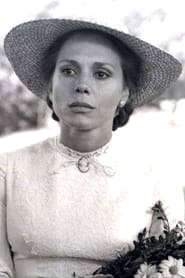
Francesca De Sapio
View profile
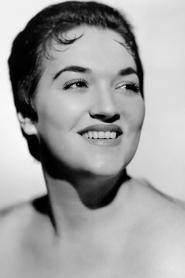
Morgana King
View profile
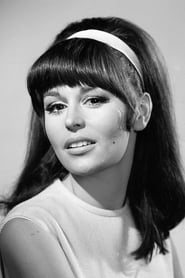
Marianna Hill
View profile

Leopoldo Trieste
View profile
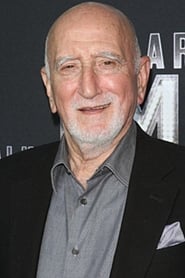
Dominic Chianese
View profile
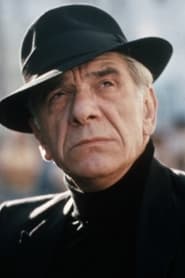
Amerigo Tot
View profile
<h3>1. Introduction / About the Movie</h3><p>Francis Ford Coppola’s The Godfather: Part II (1974) is widely celebrated as the rare sequel that equals, and arguably surpasses, its legendary predecessor. Serving as both a prequel and a sequel, the film constructs a masterful, sprawling narrative of the American mafia. It was the first sequel in history to win the Academy Award for Best Picture. Expanding upon the Corleone family saga, the film explores the corrupting nature of absolute power, the heavy burden of legacy, and the tragic destruction of the American family unit, making it an undisputed monumental achievement in global cinema.</p><h3>2. Movie Storyline (Plot Summary)</h3><p>The film brilliantly interweaves two parallel storylines. The prequel narrative transports viewers back to the early 1900s, tracking the arduous journey of young Vito Andolini. Fleeing the Sicilian mafia who murdered his family, Vito arrives in America, settles in New York's Little Italy, and slowly builds his own criminal empire through shrewdness and ruthless calculation, eventually becoming the respected Don Corleone. The sequel narrative flashes forward to the late 1950s, following Michael Corleone as he brutally consolidates power as the new Don. Michael attempts to expand the family's legitimate operations into Las Vegas and pre-revolution Cuba while ruthlessly dealing with traitors, including those within his own bloodline. However, his unyielding, cold-blooded grip on power slowly alienates him from everyone he loves. The brilliant juxtaposition shows Vito building a family out of nothing to protect them, while Michael systematically destroys his family in his obsessive quest to maintain control and dominance.</p><h3>3. Cast and Characters</h3><p>Al Pacino gives arguably the greatest performance of his career as Michael Corleone, his eyes projecting a terrifying, hollow darkness as his soul rots. Robert De Niro flawlessly steps into the shoes of Marlon Brando, playing the young Vito Corleone with quiet, lethal grace—a role that earned him an Oscar. John Cazale is heartbreakingly tragic as the weak and overlooked older brother, Fredo Corleone. Diane Keaton brings profound anguish to the role of Kay, while Robert Duvall returns with brilliant subtlety as Tom Hagen.</p><h3>4. Movie Highlights</h3><p>The structural brilliance of contrasting Vito’s rise with Michael’s moral fall is the film’s greatest triumph. Gordon Willis’s cinematography remains extraordinary, utilizing deep, brooding shadows to reflect the darkening of Michael’s soul. The scenes set in pre-revolution Havana, Cuba, are sprawling and historically resonant, culminating in a breathless sequence during the New Year's Eve revolution. The film’s emotional climax—the ultimate fate of Fredo Corleone on the waters of Lake Tahoe—is one of the most devastating and perfectly executed scenes in motion picture history.</p><h3>5. Why You Should Watch This Movie</h3><p>The Godfather: Part II is essential viewing for anyone who appreciates brilliant storytelling, masterful pacing, and phenomenal acting. It elevates the gangster genre to the level of high art, offering a profound psychological character study of a man consumed by power. It is a stunning visual and narrative feast that perfectly completes the tragic arc introduced in the original masterpiece.</p>
Al Pacino
View profile
Robert Duvall
View profile
Diane Keaton
View profile
Robert De Niro
View profile
John Cazale
View profile
Talia Shire
View profile
Lee Strasberg
View profile
Michael V. Gazzo
View profile
G.D. Spradlin
View profile
Richard Bright
View profile
Gastone Moschin
View profile
Tom Rosqui
View profile
Bruno Kirby
View profile
Frank Sivero
View profile
Francesca De Sapio
View profile
Morgana King
View profile
Marianna Hill
View profile
Leopoldo Trieste
View profile
Dominic Chianese
View profile
Amerigo Tot
View profile


