Season 1 Korean HD


Box No. 76706, Dubai, UAE
Email: support@moviefrost.com

1. Introduction / About the Movie Directed by the internationally beloved filmmaker Hirokazu Kore-eda, Our Little Sister (2015) is an incredibly tender, heartwarming, and visually gorgeous cinematic poem about sisterhood, forgiveness, and the beauty of everyday life. Known for his delicate touch when portraying Japanese family dynamics, Kore-eda crafts a cinematic embrace that comforts the soul. For anyone looking to stream a wholesome, uplifting, and visually stunning slice-of-life drama, this beautiful family portrait is an absolute treasure. 2. Movie Storyline (Plot Summary) The story takes place in the picturesque coastal city of Kamakura, where three adult sisters—Sachi, Yoshino, and Chika—live together in their late grandmother's spacious, traditional home. Their lives are quiet and ordered until they receive news that their estranged father, who abandoned the family 15 years ago, has passed away. At his funeral in the countryside, the three sisters meet Suzu, their bright, mature, 13-year-old half-sister from their father's second marriage. Recognizing that Suzu is now orphaned and living with a resentful stepmother, the eldest sister, Sachi, impulsively invites the young girl to move in with them in Kamakura. As Suzu integrates into the household, the four sisters bond over shared meals, changing seasons, and the creation of their family's traditional plum wine. Together, they gently navigate the complex feelings surrounding their parents' mistakes while forging an unbreakable, loving new family unit. 3. Cast and Characters The chemistry between the four leads is the heart of the movie. Haruka Ayase is magnificent as Sachi, the strict, responsible, and somewhat motherly eldest sister. Masami Nagasawa brings vibrant energy as the free-spirited Yoshino, while Kaho is charmingly quirky as the youngest adult sister, Chika. Suzu Hirose delivers a breakout, luminous performance as the polite but deeply observant titular little sister, Suzu. 4. Movie Highlights The true highlight of Our Little Sister is its celebration of food, nature, and routine as mechanisms for healing. Kore-eda beautifully captures the passage of time through the changing seasons in Kamakura—from the breathtaking cherry blossoms in spring to the fireworks of summer. The preparation and sharing of food, particularly the making of plum wine from the tree in their garden, act as a powerful symbol of memory and tradition passing down through generations. The cinematography is bright, warm, and inviting. 5. Why You Should Watch This Movie If you need a cinematic hug, this is the perfect movie. It is rare to find a film so entirely devoid of malicious conflict or dark tragedy that still manages to be profoundly emotional. It is a gentle, life-affirming celebration of women, family, and finding peace with the past.


Haruka Ayase
View profile

Masami Nagasawa
View profile

Kaho
View profile

Suzu Hirose
View profile

Ryo Kase
View profile

Ryohei Suzuki
View profile

Ikeda Takafumi
View profile

Kentaro Sakaguchi
View profile
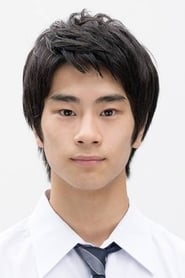
Oshirō Maeda
View profile
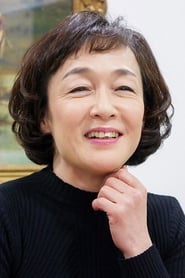
Midoriko Kimura
View profile

Yuko Nakamura
View profile

Kazuaki Shimizu
View profile

Kaoru Hirata
View profile
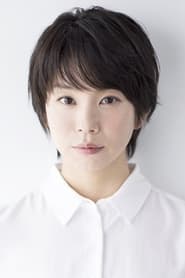
Masumi Nomura
View profile

Seki Yuki
View profile

Mikami Saya
View profile

Fukiko Hara
View profile

Takamitsu Nonaka
View profile
Saito Kanako
View profile
Yuki Kimura
View profile
1. Introduction / About the Movie Directed by the internationally beloved filmmaker Hirokazu Kore-eda, Our Little Sister (2015) is an incredibly tender, heartwarming, and visually gorgeous cinematic poem about sisterhood, forgiveness, and the beauty of everyday life. Known for his delicate touch when portraying Japanese family dynamics, Kore-eda crafts a cinematic embrace that comforts the soul. For anyone looking to stream a wholesome, uplifting, and visually stunning slice-of-life drama, this beautiful family portrait is an absolute treasure. 2. Movie Storyline (Plot Summary) The story takes place in the picturesque coastal city of Kamakura, where three adult sisters—Sachi, Yoshino, and Chika—live together in their late grandmother's spacious, traditional home. Their lives are quiet and ordered until they receive news that their estranged father, who abandoned the family 15 years ago, has passed away. At his funeral in the countryside, the three sisters meet Suzu, their bright, mature, 13-year-old half-sister from their father's second marriage. Recognizing that Suzu is now orphaned and living with a resentful stepmother, the eldest sister, Sachi, impulsively invites the young girl to move in with them in Kamakura. As Suzu integrates into the household, the four sisters bond over shared meals, changing seasons, and the creation of their family's traditional plum wine. Together, they gently navigate the complex feelings surrounding their parents' mistakes while forging an unbreakable, loving new family unit. 3. Cast and Characters The chemistry between the four leads is the heart of the movie. Haruka Ayase is magnificent as Sachi, the strict, responsible, and somewhat motherly eldest sister. Masami Nagasawa brings vibrant energy as the free-spirited Yoshino, while Kaho is charmingly quirky as the youngest adult sister, Chika. Suzu Hirose delivers a breakout, luminous performance as the polite but deeply observant titular little sister, Suzu. 4. Movie Highlights The true highlight of Our Little Sister is its celebration of food, nature, and routine as mechanisms for healing. Kore-eda beautifully captures the passage of time through the changing seasons in Kamakura—from the breathtaking cherry blossoms in spring to the fireworks of summer. The preparation and sharing of food, particularly the making of plum wine from the tree in their garden, act as a powerful symbol of memory and tradition passing down through generations. The cinematography is bright, warm, and inviting. 5. Why You Should Watch This Movie If you need a cinematic hug, this is the perfect movie. It is rare to find a film so entirely devoid of malicious conflict or dark tragedy that still manages to be profoundly emotional. It is a gentle, life-affirming celebration of women, family, and finding peace with the past.
Haruka Ayase
View profile
Masami Nagasawa
View profile
Kaho
View profile
Suzu Hirose
View profile
Ryo Kase
View profile
Ryohei Suzuki
View profile
Ikeda Takafumi
View profile
Kentaro Sakaguchi
View profile
Oshirō Maeda
View profile
Midoriko Kimura
View profile
Yuko Nakamura
View profile
Kazuaki Shimizu
View profile
Kaoru Hirata
View profile
Masumi Nomura
View profile
Seki Yuki
View profile
Mikami Saya
View profile
Fukiko Hara
View profile
Takamitsu Nonaka
View profile
Saito Kanako
View profile
Yuki Kimura
View profile


