Season 1 English HD


Box No. 76706, Dubai, UAE
Email: support@moviefrost.com

🌒 Mercy (2026) is a gripping psychological thriller that explores human morality under pressure. The story follows a character caught in a maze of difficult choices, where every decision carries heavy consequences. Suspense builds steadily as tension intertwines with personal dilemmas, keeping viewers on edge. 🏠 The setting amplifies the intensity. Confined spaces, dimly lit rooms, and empty streets create a claustrophobic feel, making each moment feel charged with anticipation. The realistic environment ensures that danger and consequence feel close at hand. 💔 At its core, Mercy (2026) delves into emotional depth. Relationships, trust, and personal conscience are tested under extreme circumstances. The characters’ vulnerabilities make their decisions resonate, turning suspense into a deeply human story. 🔍 Every detail counts. Subtle gestures, lingering glances, and careful pacing add layers to the narrative. Viewers are encouraged to piece together motivations and anticipate outcomes, creating a participatory experience that heightens tension. 🎥 Visually, the film balances shadows and highlights to mirror internal conflict, while sound design emphasizes quiet dread and sudden jolts, enhancing the immersive experience. ✨ Mercy (2026) is more than a thriller; it is a study of conscience, courage, and consequence. It keeps audiences engaged with suspense while leaving them reflecting on the complexities of human choice, making it a memorable cinematic journey.


Chris Pratt
View profile

Rebecca Ferguson
View profile

Kali Reis
View profile

Kylie Rogers
View profile

Chris Sullivan
View profile

Jeff Pierre
View profile

Annabelle Wallis
View profile

Rafi Gavron
View profile

Kenneth Choi
View profile
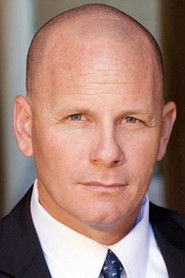
Jamie McBride
View profile

Ross Gosla
View profile

Mark Daneri
View profile

Haydn Dalton
View profile
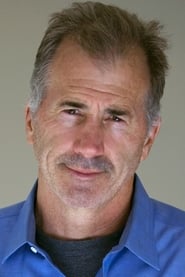
Michael C. Mahon
View profile

Noah Fearnley
View profile

Konstantin Podprugin
View profile

Cully Pratt
View profile

Philicia Saunders
View profile

Renata Ribeiro
View profile

Mahmoud Mahmoud
View profile
🌒 Mercy (2026) is a gripping psychological thriller that explores human morality under pressure. The story follows a character caught in a maze of difficult choices, where every decision carries heavy consequences. Suspense builds steadily as tension intertwines with personal dilemmas, keeping viewers on edge. 🏠 The setting amplifies the intensity. Confined spaces, dimly lit rooms, and empty streets create a claustrophobic feel, making each moment feel charged with anticipation. The realistic environment ensures that danger and consequence feel close at hand. 💔 At its core, Mercy (2026) delves into emotional depth. Relationships, trust, and personal conscience are tested under extreme circumstances. The characters’ vulnerabilities make their decisions resonate, turning suspense into a deeply human story. 🔍 Every detail counts. Subtle gestures, lingering glances, and careful pacing add layers to the narrative. Viewers are encouraged to piece together motivations and anticipate outcomes, creating a participatory experience that heightens tension. 🎥 Visually, the film balances shadows and highlights to mirror internal conflict, while sound design emphasizes quiet dread and sudden jolts, enhancing the immersive experience. ✨ Mercy (2026) is more than a thriller; it is a study of conscience, courage, and consequence. It keeps audiences engaged with suspense while leaving them reflecting on the complexities of human choice, making it a memorable cinematic journey.
Chris Pratt
View profile
Rebecca Ferguson
View profile
Kali Reis
View profile
Kylie Rogers
View profile
Chris Sullivan
View profile
Jeff Pierre
View profile
Annabelle Wallis
View profile
Rafi Gavron
View profile
Kenneth Choi
View profile
Jamie McBride
View profile
Ross Gosla
View profile
Mark Daneri
View profile
Haydn Dalton
View profile
Michael C. Mahon
View profile
Noah Fearnley
View profile
Konstantin Podprugin
View profile
Cully Pratt
View profile
Philicia Saunders
View profile
Renata Ribeiro
View profile
Mahmoud Mahmoud
View profile


