Season 1 English HD


Box No. 76706, Dubai, UAE
Email: support@moviefrost.com

<h2>1. Introduction / About the Movie</h2><p>Labyrinth of Cinema is a masterful, profound, and profoundly surreal cinematic experience directed by the legendary Japanese filmmaker Nobuhiko Obayashi. Serving as his final farewell before his passing, this 2020 film is a spectacular meditation on the history of cinema and the horrors of war. Obayashi, known for his eccentric and highly imaginative visual style, pours his entire life's philosophy into this epic feature. It stands as a vibrant, chaotic, and deeply emotional anti-war statement that speaks to the power of film to transcend time, memory, and tragedy, capturing the hearts of global audiences.</p><h2>2. Movie Storyline (Plot Summary)</h2><p>The narrative centers around a small, beloved local movie theater in Onomichi, Japan, which is hosting an all-night marathon of classic Japanese war films on its very last night before permanently closing its doors. As a violent storm rages outside, three young men in the audience—a film historian, a yakuza wannabe, and a romantic youth—are inexplicably pulled directly into the screen. They find themselves transported through time, seamlessly dropped into the brutal realities of various historical conflicts, from the Boshin War and the Second Sino-Japanese War to the catastrophic atomic bombing of Hiroshima. Throughout their terrifying yet mesmerizing journey across different eras, they desperately attempt to rescue a recurring young heroine who keeps meeting a tragic fate, ultimately confronting the devastating nature of human conflict and the cyclical trauma of war.</p><h2>3. Cast and Characters</h2><p>The film boasts a massive, talented ensemble cast that brings this sprawling epic to life. Takuro Atsuki, Takahito Hosoyamada, and Yoshihiko Hosoda deliver fantastic performances as the three time-traveling protagonists, acting as the audience's bewildered avatars. Rei Yoshida is breathtaking as the mysterious girl they repeatedly try to save. The supporting cast features powerhouse appearances from established icons like Tadanobu Asano, Riko Narumi, and Takako Tokiwa, anchoring the surrealism with real emotional weight.</p><h2>4. Movie Highlights</h2><p>The absolute standout highlight of Labyrinth of Cinema is Obayashi's signature kaleidoscopic, mixed-media visual style. The film aggressively blends green-screen effects, silent film aesthetics, vibrant color palettes, and rapid-fire editing to create a genuinely hallucinatory experience. It is a passionate love letter to the mechanical and magical history of filmmaking itself. Another major highlight is its unflinching yet deeply poetic anti-war messaging. Rather than relying solely on traditional battle violence, the movie uses theatricality, poetry, and overwhelming sensory input to convey the sheer madness and heartbreak of war, creating an unforgettable climax.</p><h2>5. Why You Should Watch This Movie</h2><p>If you are a true cinephile, watching this film is an absolute necessity. It is a rare, boundary-pushing masterpiece that challenges how stories can be told on screen. You should watch it to experience the final, uncompromised vision of one of Japan's greatest modern auteurs. It is not just a movie; it is a profound historical lesson, a visual acid trip, and a deeply moving plea for world peace.</p>


Takuro Atsuki
View profile

Takahito Hosoyamada
View profile

Yoshihiko Hosoda
View profile

Rei Yoshida
View profile

Riko Narumi
View profile

Hirona Yamazaki
View profile

Tetsuya Takeda
View profile

Takako Tokiwa
View profile

Yukihiro Takahashi
View profile

Nenji Kobayashi
View profile

Takehiro Murata
View profile

Goro Inagaki
View profile

Tadanobu Asano
View profile

Hiroyuki Watanabe
View profile

Tsurutaro Kataoka
View profile

Kiyotaka Nanbara
View profile

Tōru Shinagawa
View profile
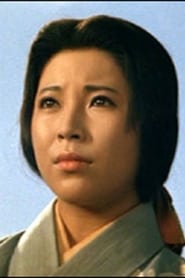
Wakaba Irie
View profile

Ayumi Ito
View profile

Saki Terashima
View profile
<h2>1. Introduction / About the Movie</h2><p>Labyrinth of Cinema is a masterful, profound, and profoundly surreal cinematic experience directed by the legendary Japanese filmmaker Nobuhiko Obayashi. Serving as his final farewell before his passing, this 2020 film is a spectacular meditation on the history of cinema and the horrors of war. Obayashi, known for his eccentric and highly imaginative visual style, pours his entire life's philosophy into this epic feature. It stands as a vibrant, chaotic, and deeply emotional anti-war statement that speaks to the power of film to transcend time, memory, and tragedy, capturing the hearts of global audiences.</p><h2>2. Movie Storyline (Plot Summary)</h2><p>The narrative centers around a small, beloved local movie theater in Onomichi, Japan, which is hosting an all-night marathon of classic Japanese war films on its very last night before permanently closing its doors. As a violent storm rages outside, three young men in the audience—a film historian, a yakuza wannabe, and a romantic youth—are inexplicably pulled directly into the screen. They find themselves transported through time, seamlessly dropped into the brutal realities of various historical conflicts, from the Boshin War and the Second Sino-Japanese War to the catastrophic atomic bombing of Hiroshima. Throughout their terrifying yet mesmerizing journey across different eras, they desperately attempt to rescue a recurring young heroine who keeps meeting a tragic fate, ultimately confronting the devastating nature of human conflict and the cyclical trauma of war.</p><h2>3. Cast and Characters</h2><p>The film boasts a massive, talented ensemble cast that brings this sprawling epic to life. Takuro Atsuki, Takahito Hosoyamada, and Yoshihiko Hosoda deliver fantastic performances as the three time-traveling protagonists, acting as the audience's bewildered avatars. Rei Yoshida is breathtaking as the mysterious girl they repeatedly try to save. The supporting cast features powerhouse appearances from established icons like Tadanobu Asano, Riko Narumi, and Takako Tokiwa, anchoring the surrealism with real emotional weight.</p><h2>4. Movie Highlights</h2><p>The absolute standout highlight of Labyrinth of Cinema is Obayashi's signature kaleidoscopic, mixed-media visual style. The film aggressively blends green-screen effects, silent film aesthetics, vibrant color palettes, and rapid-fire editing to create a genuinely hallucinatory experience. It is a passionate love letter to the mechanical and magical history of filmmaking itself. Another major highlight is its unflinching yet deeply poetic anti-war messaging. Rather than relying solely on traditional battle violence, the movie uses theatricality, poetry, and overwhelming sensory input to convey the sheer madness and heartbreak of war, creating an unforgettable climax.</p><h2>5. Why You Should Watch This Movie</h2><p>If you are a true cinephile, watching this film is an absolute necessity. It is a rare, boundary-pushing masterpiece that challenges how stories can be told on screen. You should watch it to experience the final, uncompromised vision of one of Japan's greatest modern auteurs. It is not just a movie; it is a profound historical lesson, a visual acid trip, and a deeply moving plea for world peace.</p>
Takuro Atsuki
View profile
Takahito Hosoyamada
View profile
Yoshihiko Hosoda
View profile
Rei Yoshida
View profile
Riko Narumi
View profile
Hirona Yamazaki
View profile
Tetsuya Takeda
View profile
Takako Tokiwa
View profile
Yukihiro Takahashi
View profile
Nenji Kobayashi
View profile
Takehiro Murata
View profile
Goro Inagaki
View profile
Tadanobu Asano
View profile
Hiroyuki Watanabe
View profile
Tsurutaro Kataoka
View profile
Kiyotaka Nanbara
View profile
Tōru Shinagawa
View profile
Wakaba Irie
View profile
Ayumi Ito
View profile
Saki Terashima
View profile


