Season 1 English HD


Box No. 76706, Dubai, UAE
Email: support@moviefrost.com
<h3>1. Introduction / About the Movie</h3><p>Step into the deeply philosophical and visceral world of Killing (2018), a masterpiece that transcends traditional historical dramas. Directed by the acclaimed Masato Harada, this Japanese cinematic gem explores the profound moral complexities of the samurai code during a highly turbulent era. It masterfully blends action with striking psychological depth, offering a completely unique viewing experience that questions the very nature of human violence and duty. This is not just a film about swordsmanship; it is a captivating exploration of the human soul that will leave viewers pondering its message long after the credits roll.</p><h3>2. Movie Storyline (Plot Summary)</h3><p>The storyline of Killing centers on a highly skilled but untested young samurai who finds himself wandering through a rapidly changing Japan. As the country stands on the brink of civil war, he takes refuge in a quiet farming village, forming a bond with the local peasants. However, the peaceful illusion is shattered when a group of lawless ronin arrives, forcing the young warrior into a corner. Instead of glorifying his combat skills, the narrative takes a dark, psychological turn. The protagonist begins to deeply question the meaning of killing, struggling with overwhelming anxiety and the heavy burden of taking a life. His internal conflict becomes the central battleground, leading to a shocking and emotionally charged climax that challenges everything he thought he knew about honor and survival.</p><h3>3. Cast and Characters</h3><p>The film features brilliant performances led by Takuya Kimura and Kazunari Ninomiya, whose portrayals of conflicted warriors add immense weight to the narrative. Yuriko Yoshitaka delivers a hauntingly beautiful performance, perfectly complementing the intense atmosphere. The cast's ability to convey deep trauma and moral hesitation elevates the characters from mere historical figures to deeply relatable, flawed human beings navigating an impossible world.</p><h3>4. Movie Highlights</h3><p>One of the standout highlights of Killing is its breathtaking cinematography, which juxtaposes the serene beauty of the Japanese countryside with the sudden, chaotic bursts of violence. The fight choreography is exceptionally grounded, focusing on the messy, terrifying reality of sword combat rather than stylized perfection. Furthermore, the haunting musical score perfectly underscores the psychological tension, making every moment of silence feel just as impactful as the clashing of blades.</p><h3>5. Why You Should Watch This Movie</h3><p>If you are a fan of thought-provoking cinema that subverts genre expectations, Killing is an absolute must-watch. It strips away the romanticized myth of the fearless samurai, offering a raw, unforgettable look at the psychological toll of violence. It is an essential watch for lovers of Japanese history, deep character studies, and uncompromising artistic vision.</p>

Takuya Kimura
View profile

Kazunari Ninomiya
View profile

Yuriko Yoshitaka
View profile

Yutaka Matsushige
View profile

Takehiro Hira
View profile

Norito Yashima
View profile

Koji Ohkura
View profile

Tsutomu Yamazaki
View profile

Hirona Yamazaki
View profile

Kenichi Yajima
View profile

Midoriko Kimura
View profile

Sei Ashina
View profile

Takuma Otoo
View profile

Yoshi Sakō
View profile

Yasumasa Oba
View profile
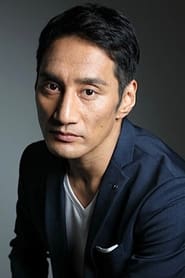
Ayumi Tanida
View profile
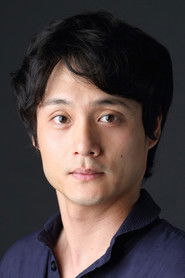
Yoshiaki Kameda
View profile

Masaki Miura
View profile

Kenji Anan
View profile

Miou Tanaka
View profile
<h3>1. Introduction / About the Movie</h3><p>Step into the deeply philosophical and visceral world of Killing (2018), a masterpiece that transcends traditional historical dramas. Directed by the acclaimed Masato Harada, this Japanese cinematic gem explores the profound moral complexities of the samurai code during a highly turbulent era. It masterfully blends action with striking psychological depth, offering a completely unique viewing experience that questions the very nature of human violence and duty. This is not just a film about swordsmanship; it is a captivating exploration of the human soul that will leave viewers pondering its message long after the credits roll.</p><h3>2. Movie Storyline (Plot Summary)</h3><p>The storyline of Killing centers on a highly skilled but untested young samurai who finds himself wandering through a rapidly changing Japan. As the country stands on the brink of civil war, he takes refuge in a quiet farming village, forming a bond with the local peasants. However, the peaceful illusion is shattered when a group of lawless ronin arrives, forcing the young warrior into a corner. Instead of glorifying his combat skills, the narrative takes a dark, psychological turn. The protagonist begins to deeply question the meaning of killing, struggling with overwhelming anxiety and the heavy burden of taking a life. His internal conflict becomes the central battleground, leading to a shocking and emotionally charged climax that challenges everything he thought he knew about honor and survival.</p><h3>3. Cast and Characters</h3><p>The film features brilliant performances led by Takuya Kimura and Kazunari Ninomiya, whose portrayals of conflicted warriors add immense weight to the narrative. Yuriko Yoshitaka delivers a hauntingly beautiful performance, perfectly complementing the intense atmosphere. The cast's ability to convey deep trauma and moral hesitation elevates the characters from mere historical figures to deeply relatable, flawed human beings navigating an impossible world.</p><h3>4. Movie Highlights</h3><p>One of the standout highlights of Killing is its breathtaking cinematography, which juxtaposes the serene beauty of the Japanese countryside with the sudden, chaotic bursts of violence. The fight choreography is exceptionally grounded, focusing on the messy, terrifying reality of sword combat rather than stylized perfection. Furthermore, the haunting musical score perfectly underscores the psychological tension, making every moment of silence feel just as impactful as the clashing of blades.</p><h3>5. Why You Should Watch This Movie</h3><p>If you are a fan of thought-provoking cinema that subverts genre expectations, Killing is an absolute must-watch. It strips away the romanticized myth of the fearless samurai, offering a raw, unforgettable look at the psychological toll of violence. It is an essential watch for lovers of Japanese history, deep character studies, and uncompromising artistic vision.</p>
Takuya Kimura
View profile
Kazunari Ninomiya
View profile
Yuriko Yoshitaka
View profile
Yutaka Matsushige
View profile
Takehiro Hira
View profile
Norito Yashima
View profile
Koji Ohkura
View profile
Tsutomu Yamazaki
View profile
Hirona Yamazaki
View profile
Kenichi Yajima
View profile
Midoriko Kimura
View profile
Sei Ashina
View profile
Takuma Otoo
View profile
Yoshi Sakō
View profile
Yasumasa Oba
View profile
Ayumi Tanida
View profile
Yoshiaki Kameda
View profile
Masaki Miura
View profile
Kenji Anan
View profile
Miou Tanaka
View profile


