English HD


Box No. 76706, Dubai, UAE
Email: support@moviefrost.com

1. Introduction / About the Movie Directed by modern master Ryusuke Hamaguchi, Happy Hour (2015) is an epic, intimate, and profoundly moving exploration of female friendship, marriage, and personal autonomy in contemporary Japan. Boasting a staggering runtime of over five hours, this critically acclaimed cinematic journey requires patience but rewards viewers with an incredibly rich, novelistic experience. If you are looking to stream a deeply realistic character study that mirrors the beautiful complexities of real life, this monumental work is an unforgettable viewing experience. 2. Movie Storyline (Plot Summary) The expansive narrative revolves around four middle-class women in their late thirties living in the city of Kobe: Akari, Sakurako, Fumi, and Jun. They share a close, seemingly unbreakable bond, frequently meeting for picnics, dinners, and long conversations. However, their comfortable equilibrium is shattered when Jun reveals a closely guarded secret—she is embroiled in a bitter, prolonged divorce and plans to leave her husband. This sudden revelation acts as a seismic shockwave, forcing the other three women to turn the mirror on their own lives and relationships. As Jun’s legal battles unfold, Akari confronts her rigid perfectionism, Sakurako deals with her unfulfilling domestic life, and Fumi questions the emotional distance of her own marriage. Through a series of workshops, trips, and profound heart-to-hearts, the women navigate the painful but necessary journey of self-discovery, challenging societal expectations along the way. 3. Cast and Characters In a brilliant directorial choice, Hamaguchi cast four amateur actresses who developed their characters through extensive improvisation workshops. Sachie Tanaka (Akari), Hazuki Kikuchi (Sakurako), Maiko Mihara (Fumi), and Rira Kawamura (Jun) all shared the Best Actress award at the Locarno Film Festival. Their lack of traditional Hollywood polish gives the film an astonishingly authentic, documentary-like realism. 4. Movie Highlights The most notable highlight of Happy Hour is its dedication to extended, uninterrupted sequences. Whether the characters are participating in a strange new-age balance workshop or simply having dinner, the camera lingers, allowing the emotional undercurrents and subtle shifts in conversation to play out in real-time. This slow, deliberate pacing allows the audience to truly live alongside these women, making their emotional breakthroughs hit with devastating realism. The script is remarkably perceptive about the unspoken resentments that build up in marriages and friendships over decades. 5. Why You Should Watch This Movie Do not let the runtime intimidate you; Happy Hour is a masterpiece of observational cinema. It is perfect for viewers who love deep, conversational, and emotionally mature stories. It provides an unparalleled, honest look into the lives of modern women, making it one of the most empathetic and rewarding films of the 21st century.

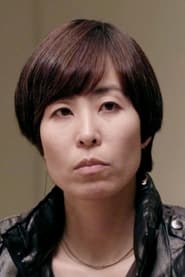
Sachie Tanaka
View profile

Hazuki Kikuchi
View profile

Maiko Mihara
View profile

Rira Kawamura
View profile

Yoshio Shin
View profile
Hiroyuki Miura
View profile
Yoshitaka Zahana
View profile
Shuhei Shibata
View profile
Hiromi Demura
View profile
Hajime Sakasho
View profile
Tsugumi Kugai
View profile
Yasunobu Tanabe
View profile

Ayaka Shibutani
View profile
Yuichiro Ito
View profile
Shoko Fukunaga
View profile
Tomo Kawamura
View profile
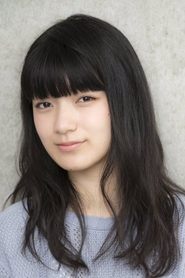
Kilala Inori
View profile

Ryusuke Hamaguchi
View profile
Chinatsu Masuda
View profile
Masuda Manabu
View profile
1. Introduction / About the Movie Directed by modern master Ryusuke Hamaguchi, Happy Hour (2015) is an epic, intimate, and profoundly moving exploration of female friendship, marriage, and personal autonomy in contemporary Japan. Boasting a staggering runtime of over five hours, this critically acclaimed cinematic journey requires patience but rewards viewers with an incredibly rich, novelistic experience. If you are looking to stream a deeply realistic character study that mirrors the beautiful complexities of real life, this monumental work is an unforgettable viewing experience. 2. Movie Storyline (Plot Summary) The expansive narrative revolves around four middle-class women in their late thirties living in the city of Kobe: Akari, Sakurako, Fumi, and Jun. They share a close, seemingly unbreakable bond, frequently meeting for picnics, dinners, and long conversations. However, their comfortable equilibrium is shattered when Jun reveals a closely guarded secret—she is embroiled in a bitter, prolonged divorce and plans to leave her husband. This sudden revelation acts as a seismic shockwave, forcing the other three women to turn the mirror on their own lives and relationships. As Jun’s legal battles unfold, Akari confronts her rigid perfectionism, Sakurako deals with her unfulfilling domestic life, and Fumi questions the emotional distance of her own marriage. Through a series of workshops, trips, and profound heart-to-hearts, the women navigate the painful but necessary journey of self-discovery, challenging societal expectations along the way. 3. Cast and Characters In a brilliant directorial choice, Hamaguchi cast four amateur actresses who developed their characters through extensive improvisation workshops. Sachie Tanaka (Akari), Hazuki Kikuchi (Sakurako), Maiko Mihara (Fumi), and Rira Kawamura (Jun) all shared the Best Actress award at the Locarno Film Festival. Their lack of traditional Hollywood polish gives the film an astonishingly authentic, documentary-like realism. 4. Movie Highlights The most notable highlight of Happy Hour is its dedication to extended, uninterrupted sequences. Whether the characters are participating in a strange new-age balance workshop or simply having dinner, the camera lingers, allowing the emotional undercurrents and subtle shifts in conversation to play out in real-time. This slow, deliberate pacing allows the audience to truly live alongside these women, making their emotional breakthroughs hit with devastating realism. The script is remarkably perceptive about the unspoken resentments that build up in marriages and friendships over decades. 5. Why You Should Watch This Movie Do not let the runtime intimidate you; Happy Hour is a masterpiece of observational cinema. It is perfect for viewers who love deep, conversational, and emotionally mature stories. It provides an unparalleled, honest look into the lives of modern women, making it one of the most empathetic and rewarding films of the 21st century.
Sachie Tanaka
View profile
Hazuki Kikuchi
View profile
Maiko Mihara
View profile
Rira Kawamura
View profile
Yoshio Shin
View profile
Hiroyuki Miura
View profile
Yoshitaka Zahana
View profile
Shuhei Shibata
View profile
Hiromi Demura
View profile
Hajime Sakasho
View profile
Tsugumi Kugai
View profile
Yasunobu Tanabe
View profile
Ayaka Shibutani
View profile
Yuichiro Ito
View profile
Shoko Fukunaga
View profile
Tomo Kawamura
View profile
Kilala Inori
View profile
Ryusuke Hamaguchi
View profile
Chinatsu Masuda
View profile
Masuda Manabu
View profile


